Here is something you need to know about plastic crushers
Plastic waste is one of the biggest headaches of modern industry and daily life - but with the right tools, old plastic doesn't have to be trash. Enter the humble yet mighty plastic crusher: an unsung hero in recycling and manufacturing. In this article I'll walk you through what plastic crushers are, why they matter, and what they can (and can't) do.
What is a plastic crusher - and how does it work
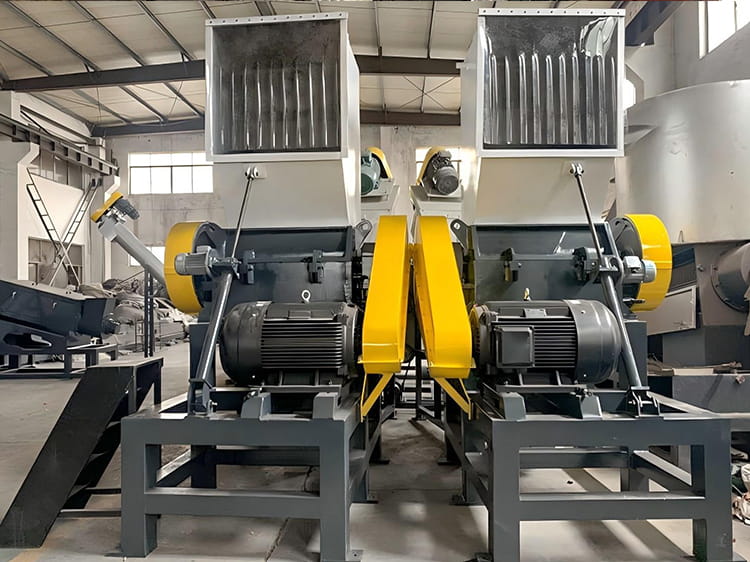
A plastic crusher is basically a machine that takes 'used,' 'scrap,' or 'waste' plastic - from bottles, films, sheets, industrial scraps, broken parts, etc. - and shreds them into smaller, manageable pieces.
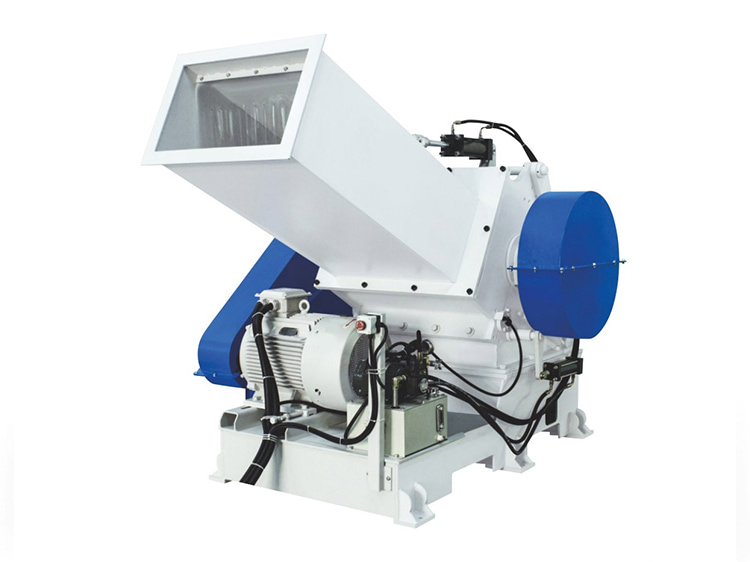
Here's the typical workflow: the plastic is fed into a hopper, then rotating blades (or cutters) powered by a motor slice and shear the plastic inside a crushing chamber. A screen controls the size of the output - only pieces small enough pass through, while larger pieces stay inside until they're shredded enough.
Depending on the model and blade configuration, crushers can handle a wide range of plastic types: from soft, flexible films and PE/PP sheets to rigid materials like PVC, polycarbonate (PC), nylon (PA), and even thick-walled plastic containers or pipes.
Why they matter - the big benefits of plastic crushers
Dramatically improved recycling & resource reuse
By shredding plastic waste into manageable pieces, crushers make it possible to reprocess scrap back into raw material. That means fewer virgin plastics need to be produced - which helps conserve resources and reduce environmental strain.
This is especially valuable for factories producing plastic goods: defective parts, 'runners' from injection molding, scraps from trimming - what used to be waste can now be crushed and reintroduced into production.
Big gains in efficiency, space and cost savings
Modern plastic crushers are built for speed and volume. Many machines crush plastic at rates ranging from several hundred kilograms up to 1,000 kg/hour (or more), far faster than manual sorting or cutting.
Because the crushed plastic occupies far less volume than intact waste, storage and transport become easier - reducing handling costs and freeing up space in factories or warehouses.
And since reused plastic reduces the need for new raw materials, companies can significantly cut material costs - a major financial incentive to adopt crushing + recycling internally.
Improved safety, cleaner work environment, and consistent output
Advanced crushers often come with safety and environment-friendly features: dust-collection systems, noise-reduction shields or enclosures, sealed bearings, overload protection, and emergency stop mechanisms.
They also deliver consistent output size (because of adjustable screens or blade configurations), which is crucial if the crushed plastic is meant for further processing - like pelletizing, extrusion, or injection molding.
Where plastic crushers shine - and where to be cautious
Plastic crushers are incredibly useful in various settings:
- Plastic manufacturing plants (injection molding, blow-molding, extrusion): they let you recycle sprues, runners, defective parts on-site.
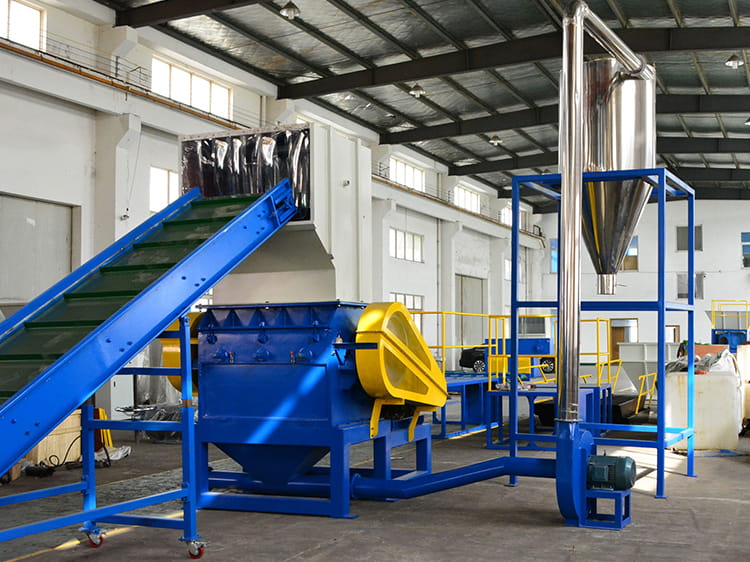
- Recycling centers & waste handling facilities: large machines with high throughput can deal with industrial scrap, consumer plastic waste, packaging, etc.
- Small workshops or labs: smaller crushers (low-power, compact) can handle plastic sheets, film, small parts - useful if you don't need industrial-scale output.
However, there are some limitations / caveats:
- Mixed or contaminated plastics - If plastic waste contains different types of polymers, foreign materials (metal inserts, dirt, chemical residues), the output may not be good for reuse. Clean, sorted plastic scrap gives the best results.
- Not a final processing step - Crushers just size-reduce plastic. If you want pellets or high-quality regrind, you'll often still need a granulator, pelletizer or further processing.
- Noise, dust, safety - Although many models offer mitigation, operation must still be managed carefully to avoid dust/pollution or operator hazards. Using built-in dust-collection, safety interlocks, proper maintenance is key.
The bigger picture: Plastic crushers and the future of sustainable plastic use
The growing emphasis on circular economy - where materials are reused, recycled, and repurposed - makes plastic crushers more relevant than ever. By enabling manufacturers and recyclers to reuse what would otherwise be scrap or waste, these machines turn plastic trash into valuable raw material.
Moreover, as technology advances, crushers are becoming more efficient, quieter, safer, and adaptable - meaning they can serve small workshops and large industrial plants alike.
For anyone in the plastics business - whether manufacturing, recycling, or waste management - investing in a good crusher is not just a cost-saving move, but also a sustainable one.
If you want to check out what a modern, high-efficiency crusher looks like (and get a sense of technical specs and models), take a look at Audop plastic crushers - they offer a good balance of adaptability, safety, and capacity.
In short: why plastic crushers deserve more attention
Plastic crushers aren't glamorous - but they're practical, powerful tools. They help transform plastic waste from a liability into a resource; they reduce costs, save space, and support environmentally responsible production. With the right machine and a good recycling strategy, they turn 'waste' into wealth.